The most common types of headaches
The two most common forms of headaches in children and adolescents are:
- Migraine – affects approx. 7% of all children and adolescents between 6 and 17 years of age, corresponding to about 55,000 children in Denmark.
- Tension-type headache – up to one in five school-aged children regularly experiences this form of headache.
Migraines typically appear around the age of seven and affect boys and girls equally. From puberty onwards, the prevalence increases significantly in girls, where hormonal changes often play a role. In general, headaches become more common as children get older, and girls in particular experience more frequent and debilitating headaches than boys.
Headaches and secondary causes
Headaches can also be secondary, meaning they are caused by another condition such as a concussion, whiplash, or other illnesses. It is important to identify the cause so that treatment can be correctly adapted.
Medication and the risk of MOH in teenagers
Many teenagers try to manage their headaches with painkillers, but overuse can lead to medication-overuse headache (MOH).
In fact, studies show that two out of three girls in the 9th grade have taken over-the-counter painkillers for headaches within the last month. With frequent and persistent use, the medication can have the opposite effect and instead worsen the headache. MOH can be particularly challenging in a busy teenage life and affect both quality of life and well-being.
At Hemi, we work to raise awareness about this issue and provide children, young people, and their families with concrete tools to understand and manage headaches in a way that reduces the need for painkillers.
How we help your child at Hemi
We know that headaches in children and adolescents can be complex. Every child is different, and therefore we focus on understanding the child's entire situation – including symptoms, daily life, and needs. Our approach combines professional knowledge with a caring and pedagogical way of meeting the children.
- We create a safe environment, where we meet your child at eye level and take the time to understand their entire situation.
- We ask the right questions in a pedagogical way that makes it possible to identify symptoms such as light sensitivity – even if the child does not have the language to describe their triggers and pain.
- We provide you as parents with a knowledge boost, so you better understand what is happening with your child and how you can best support them.
With us, the whole family becomes part of the treatment and thus the solution. You can read more about how we help and treat your child here.
Meet specialist Nina Szomlaiski
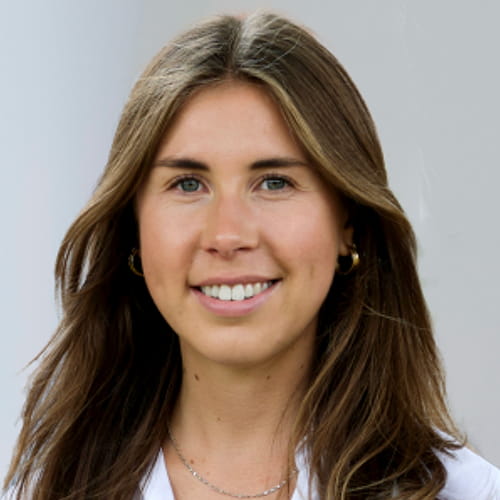
In Denmark, there are few specialists with experience in treating headaches across all age groups. At Hemi, you will meet specialist and pediatrician Nina Szomlaiski, who is a headache specialist and has helped children, adolescents, and adults find solutions to their headache problems. On this page, we focus on her work with children and adolescents, where she creates a safe environment for the whole family.
"My most important task is to share knowledge and tools that can help the child and their parents understand what triggers the headaches and how they can create a daily life with less pain. Even small changes in routines and habits can make a big difference when we look at the patterns together."
Nina Szomlaiski, Headache Specialist and Consultant, MHD
With her broad approach, Nina creates a thorough picture of the child and tailors the treatment to fit into the child's everyday life.
We make a difference for the whole family
Headaches in children are not just about the symptoms – they are about creating stability and security in everyday life for both the child and the family.
We help you find the answers and provide concrete tools to manage headaches effectively. The goal is to reduce pain and give your child a daily life with more energy and well-being.
How to start a treatment plan
At Hemi, you can start a treatment plan as:
- Self-paying clientsVia your health insurance (many health insurance policies cover treatment for children and adolescents with headaches and migraines).
Let us help you move forward
Is your child challenged by frequent headaches or migraines? Contact us today – together, we will find a solution that suits your needs.