

Rasmus Clasen Greve
Hjernerystelse: Hvad du skal gøre i de første timer og dage
Du har slået hovedet. Måske ved du allerede, at det er en hjernerystelse. Måske er du i tvivl. Uanset hvad er de første timer og dage afgørende.

Post-traumatic headache, commonly referred to as PTH, is a persistent headache that arises in direct connection with trauma (a blow) or a jarring of the head or neck.

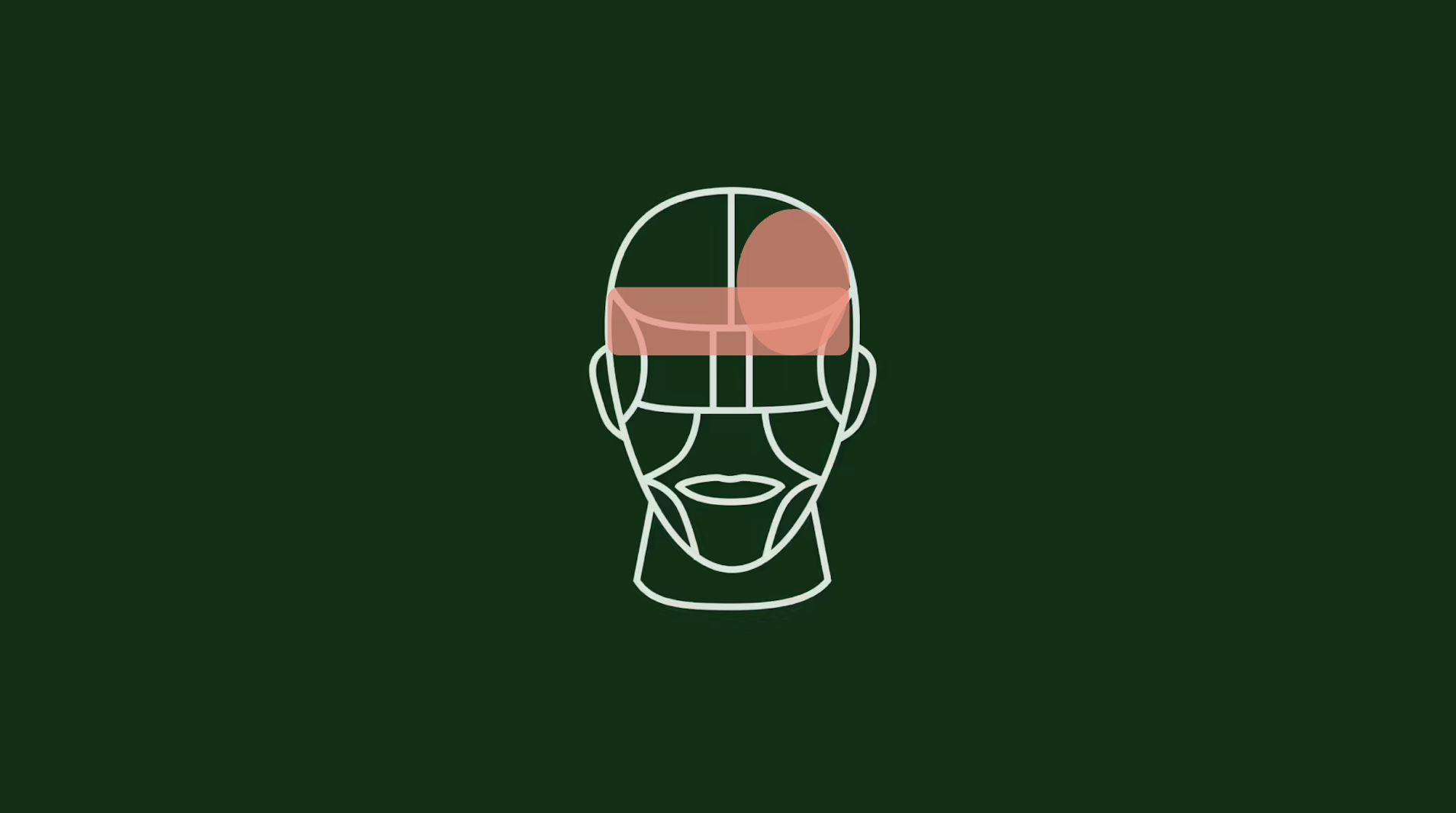
Approximately 25,000 people suffer a concussion annually. The vast majority recover completely within days or weeks.
Approximately 20-30% develop a chronic headache (PTH) that lasts for more than 3 months.
PTH affects more women than men and is seen more frequently in the younger and older segments of the population.
PTH cannot be diagnosed with blood tests and is rarely diagnosed via a scan, so the diagnosis is based on the description of symptoms that you provide.
In connection with a concussion, it is believed that temporary changes occur in the function and metabolism of brain cells, as well as in the brain's ability to process sensory input.
With chronic PTH, the prognosis is difficult to predict. For some, symptoms will subside over months or years, while others will experience persistent symptoms.
PTH can significantly affect quality of life.
There is no medical treatment specifically targeted at PTH, but in some cases, medication for other types of headaches can reduce pain intensity and the frequency of attacks.
Medical treatment is chosen based on the described headache symptoms and which diagnosis they most closely resemble, typically migraine or tension-type headache. Preventive medication can in some cases reduce the frequency and intensity of the pain.
If there is muscle soreness and/or tension around the neck or head, it may be relevant to be assessed by a physiotherapist for, for example, exercises or relaxation techniques.
It is often beneficial to have conversations and support to find tools for managing life with persistent headaches and to avoid medication-overuse headache (MOH), which can potentially worsen your symptoms.



Here you can find knowledge from our specialists, new research, and personal stories from people with lived experience.
Over 1,000 Danes receive advice on managing their headaches directly in their inbox every other week.