Some people may be more prone to developing tension headaches due to genetic factors or lifestyle conditions. It is a type of headache that often develops as a result of stress, poor posture, awkward working positions, or other causes of muscle tension. Tension headaches are the most common form of headache. Three out of four Danes have experienced a tension headache at some point in their lives.1.
What characterizes a tension headache?
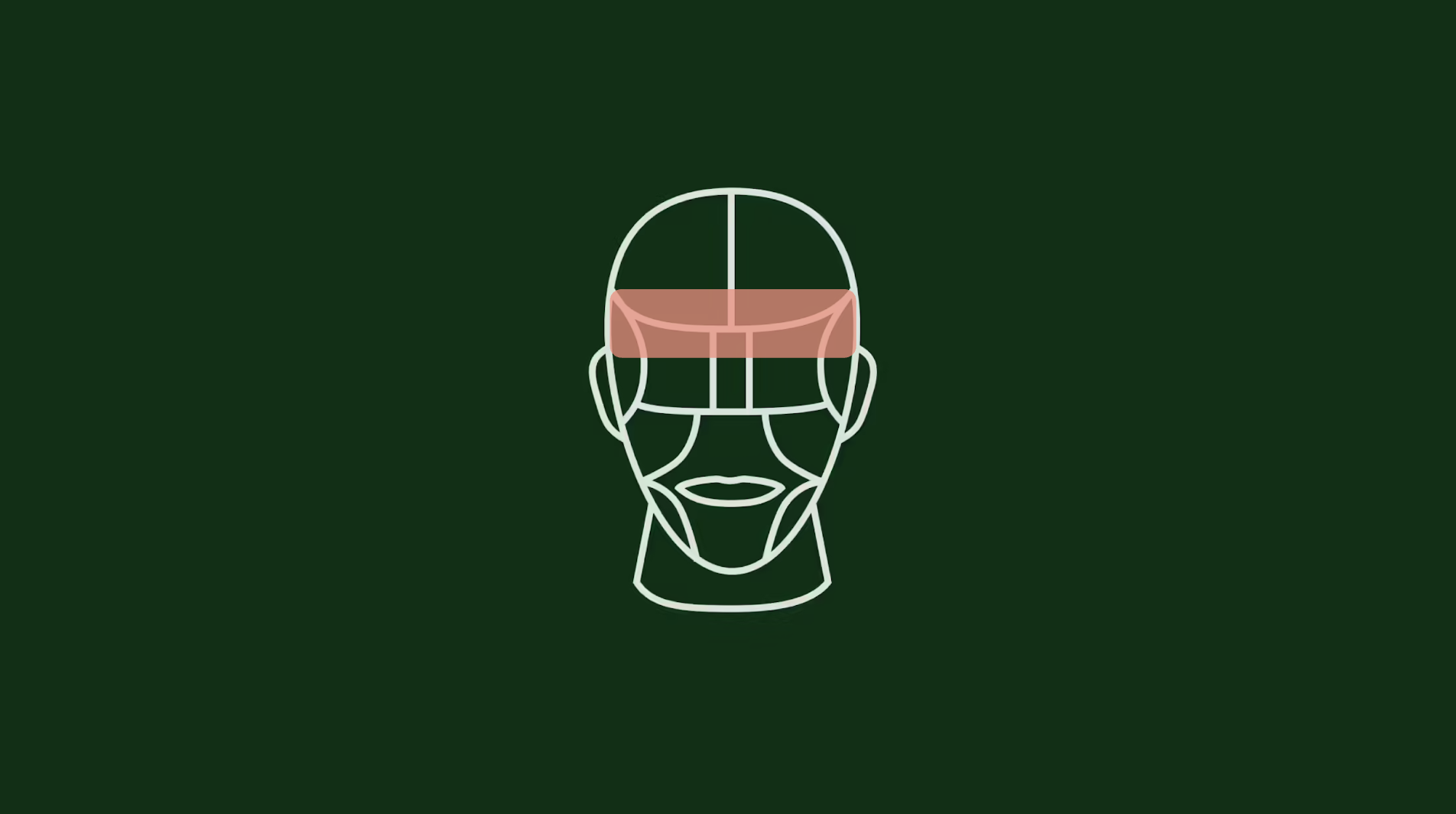
Tension headaches are characterized by a constant, pressing pain that can feel like wearing a helmet that is too small or having a tight band around the head that tightens throughout the day.2. The pain is typically mild to moderate and most often occurs on both sides of the head (unlike migraine, which is usually unilateral), and it can last anywhere from half an hour to several days. Symptoms can vary from person to person, but common to most is a feeling of tightness or pressure across the forehead and/or in the temples.
Symptoms of tension headaches:
- Mild to moderate in intensity, but can become intense in some cases.
- Occurs on both sides of the head (bilateral), especially in the forehead, temple, or neck area.
- A persistent, non-pulsating pain that can last for several hours or even days.
- Does not worsen with routine physical activities.
Tension headaches often occur when muscle tension in the shoulders, neck, or jaw escalates.
Episodic or chronic tension headache?
Tension-type headaches are categorized as either episodic or chronic. Episodic tension headaches occur occasionally and are often linked to periods of high stress, increased muscle tension, poor sleep, poor posture, and more. Chronic headaches are persistent and may require a more comprehensive treatment strategy.
It is important to note that episodic tension headaches can develop into a chronic form if left untreated. If headaches become a regular part of your life and you experience them more than 15 days a month, it may indicate a transition to chronic tension-type headaches.
Some people with chronic tension-type headaches experience tenderness in the scalp, neck, and shoulders, as well as general muscle tension. Furthermore, some individuals with chronic tension-type headaches also experience sporadic tenderness when touching their hair roots or applying light pressure to the head.
Triggers
Tension-type headaches can be triggered by various factors that vary from person to person. Here is an overview of some of the most common triggers:
- Muscle tension: Especially around the neck and shoulder muscles, often caused by prolonged poor posture, such as sitting at a desk.
- Stress and anxiety: Physical and psychological stress can lead to muscle tension in the head and neck area.
- Lack of sleep: A lack of sleep or disrupted sleep patterns can increase the risk of headaches.
- Incorrect prescription glasses: Can contribute to tension-type headaches in some people due to strain on the eye muscles.
- Improper bite function or teeth grinding: Can cause jaw tension, which for some can lead to tension-type headaches.
Understanding these triggers is an important part of managing and preventing tension-type headaches, which can help reduce both the frequency and intensity of attacks. In cases of chronic tension-type headaches, it has been shown that there has been a change in the way the nervous system perceives pain.2.
Who experiences tension-type headaches?
Headache attacks of this type affect men and women with almost equal frequency, while more than twice as many women as men experience the chronic form—that is, tension-type headaches at least 15 days a month over a period of three months. In addition, genetics play a significant role. There is a three times higher risk of developing the chronic variant of tension-type headaches if close family members also suffer from the same form.3.
Tension headaches often begin in your 20s. After the age of 40, there is a slight downward trend. Tension headaches usually occur in episodes, and about 75% of the population experiences this type of headache3.
Read Sebastian's story about tension headaches here.
Treating tension headaches
When you experience persistent or recurring headaches, it is important to seek professional guidance for a correct diagnosis. A doctor will typically start with a thorough review of your medical history to provide the right medical treatment. Read more about how to prepare for your doctor's appointment here. Your description of the headache, its duration, intensity, and location is crucial for distinguishing tension headaches from other types of headaches, such as migraines. Often, there is no need for advanced tests like blood tests or brain scans to diagnose tension headaches, unless the doctor wants to rule out other medical conditions.
For episodic tension headaches, common over-the-counter painkillers like ibuprofen or paracetamol may be sufficient medical treatment to relieve the pain. If the headaches increase in frequency, however, the doctor may recommend measures such as prescription medication, physical therapy, or other forms of treatment. There is no evidence that massage has a relieving effect on tension headaches. Some patients may benefit from increased physical activity and exercise, neck and shoulder exercises, while others need rest and relaxation4.
Many also find relief through lifestyle changes. Regular physical activity, relaxation exercises, and stress management techniques can have a positive effect on both the frequency and intensity of the episodes5.
Get the right help
By identifying triggers and exploring treatment strategies that suit your specific needs, you can succeed in reducing your headaches. If your tension headaches are taking up too much space in your life, we recommend that you speak with a doctor and explore your options for relief.
A headache diary can be a useful tool for spotting patterns in attacks and the effectiveness of treatment strategies. With detailed records of headache duration, severity, and potential triggers, you can better adapt treatment methods and find the most effective path to relief.






.avif)