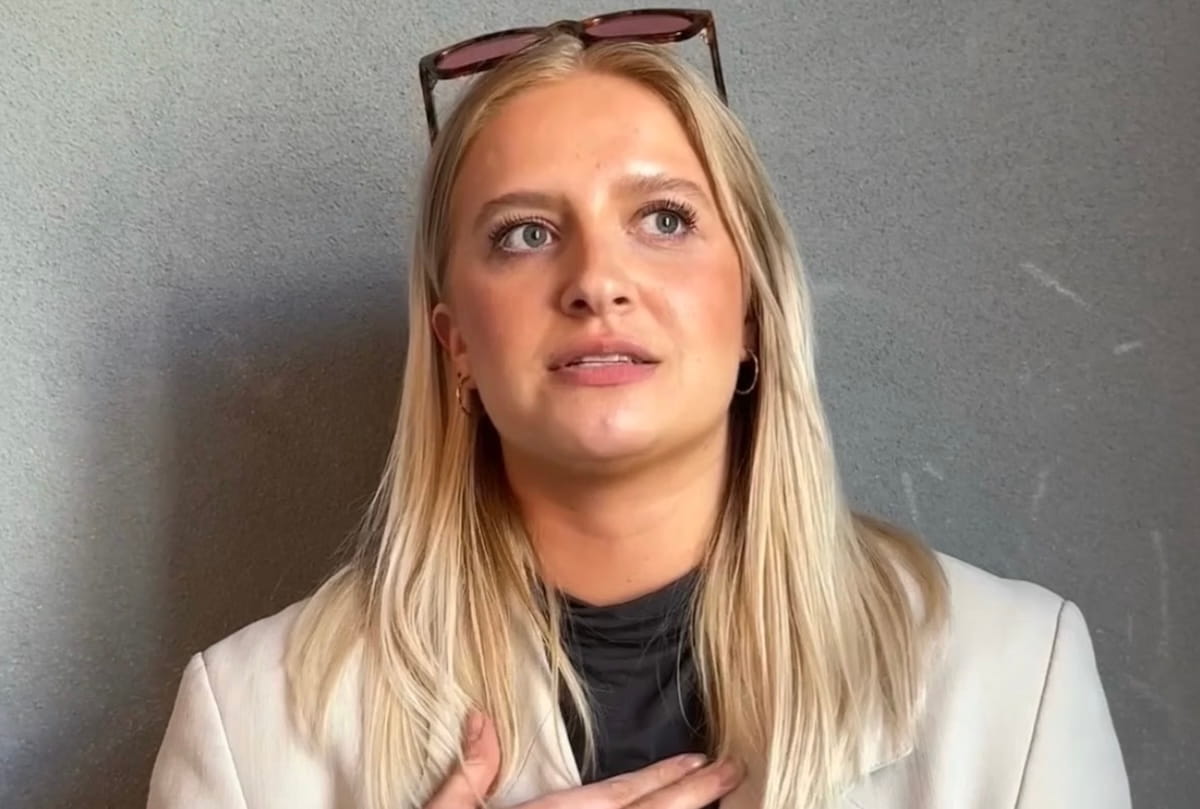
Hard to get through to friends
Like for many other young people, social life involves going out on weekends and having beers with friends, but for Sebastian, this has often been associated with a lot of discomfort. A poor sitting position can immediately trigger a headache, so meeting for pizza on the grass in a park or sitting on a bar stool without a backrest is a no-go. This can sometimes exclude him from social events. “And I can’t drink beer at all. Neither with nor without alcohol,” he says. But when Sebastian tries to explain that he would rather not go out because it always triggers his headache, he finds that he isn't really understood. Sometimes, a flippant remark is even thrown his way. “Many people don’t take it seriously, and that’s not great. I think they assume I just want to avoid a hangover and that they get headaches too. But I always have a headache for about 48 hours afterward, so it’s a high price to pay,” he says. This also means that there aren't many people Sebastian talks to about his headaches, as he often feels like he has to defend himself.
Are you experiencing symptoms that could be migraines? At Hemi, we can help you, start here.
Previously, he tended to neglect his headaches and just grit his teeth, but now he has started to say no more often and opt out of things he knows will cause unpleasant pain in the back of his head. “When I actually started including people and explaining how long I’d been dealing with it, they found it hard to understand why it was suddenly a problem now when I’d managed fine until then,” he explains, emphasizing that he wishes he had been more open about it from the start.
Taking control yourself
For a long time, Sebastian struggled to make sense of his headaches, which made them hard to accept, but he has actively worked to change that. “I also think it’s hard for others to understand and acknowledge it if you don’t do it yourself,” he says. He has therefore tried to map out his various triggers, which has helped him significantly. It has worked particularly well for him to continuously challenge some of the things he had noted as triggers—not by ruling them out 100%, but by isolating and testing them over time.
“For example, for five years I thought I couldn’t tolerate wine and that exercise could trigger it. But after testing it, I found out that it’s only beer I can’t tolerate, and that only a few exercises trigger the headache,” he says. He describes with a happy voice how it gives him a sense of victory and hope for getting closer to a normal life than what he has been used to. “It helps you feel like you’re in control of your own life, instead of just having some ailment that comes and controls it. It’s still hard when my old friends don’t quite understand it, but I hope it will be easier with new friendships because I understand and acknowledge it more myself,” he says.
More open at new university
Sebastian has just packed up his life in Northern Jutland and headed to Odense to study for his master’s degree, but even though it’s exciting to meet new people, it’s also something he dreads. “I’ve been thinking about how I’m going to handle the social aspect, and I’m not super thrilled about it, as I don’t like having this conversation with people,” he says, continuing: “Fortunately, there are mostly girls on my new course, and I have better experience with them taking it more seriously and understanding it to a greater extent than my male friends.
So I’ve actually thought about trying to be more open about it.” Sebastian explains that the headache has become easier to live with and be open about now that he understands it better and has learned to accept it in a different way.